Enhancing Land Development Professional Site Preparation Techniques for Optimal Results
Effective land development begins long before construction equipment arrives on-site. Proper site preparation is the foundation of any successful development project, influencing both short-term construction efficiency and long-term structural stability. From residential subdivisions to commercial complexes, site preparation encompasses a series of carefully planned activities, including clearing, grading, soil stabilization, drainage design, and utility planning. Each of these steps requires meticulous attention to detail, as errors in early preparation can cascade into costly delays, structural problems, or regulatory setbacks. Moreover, thorough site evaluation allows developers to anticipate challenges, allocate resources efficiently, and make informed decisions that prevent costly mistakes during construction. A well-prepared site ensures that timelines are met, budgets are controlled, and the quality of the finished development meets the highest industry standards.
The significance of professional site preparation is further heightened by the complexity of modern land development projects. Developers must navigate zoning requirements, environmental regulations, and community considerations while ensuring the land is safe and suitable for construction. Optimizing site preparation techniques not only enhances project efficiency but also reduces risk, minimizes environmental impact, and improves long-term property value. In an industry where precision, compliance, and foresight are paramount, understanding and implementing advanced site preparation methods can be the difference between a smooth project lifecycle and unforeseen complications. Additionally, adopting innovative technologies and best practices during preparation helps stakeholders maintain transparency, improve project coordination, and achieve sustainable outcomes that benefit both developers and communities alike.
1. Comprehensive Land Assessment and Planning
Soil Analysis and Geotechnical Surveys
The first step in site preparation involves assessing the land’s physical and chemical characteristics in detail. Soil composition, density, moisture content, and load-bearing capacity directly determine how the land will support structures safely and effectively. Geotechnical surveys are essential for identifying potential risks such as subsidence, erosion, or soil contamination that could compromise long-term stability. By conducting thorough testing, developers can design foundations and grading plans precisely tailored to the site’s specific needs, reducing costly redesigns and delays during construction.
Real-world scenario: In a mixed-use development, ignoring soil compaction tests led to foundation cracks in multiple buildings, requiring expensive remedial measures and construction delays. Comprehensive soil analysis could have prevented these issues efficiently and saved both time and resources.
Environmental Impact Assessment
Environmental considerations are crucial in modern development projects, particularly in urban or ecologically sensitive areas. Assessing wetlands, flood zones, and protected habitats ensures compliance with regulations while mitigating potential environmental damage effectively. Early identification of sensitive areas allows developers to integrate conservation measures seamlessly into site design, reducing legal liabilities, promoting sustainable development, and enhancing community perception of the project.
Strategic Project Planning
After evaluation, a detailed project plan is developed, incorporating grading strategies, drainage solutions, utility placement, and construction sequencing for maximum efficiency. This plan acts as a comprehensive blueprint, guiding contractors and project managers while minimizing resource wastage, unexpected delays, and coordination challenges across all stages of development.
2. Effective Clearing and Grading Techniques
Land Clearing Practices
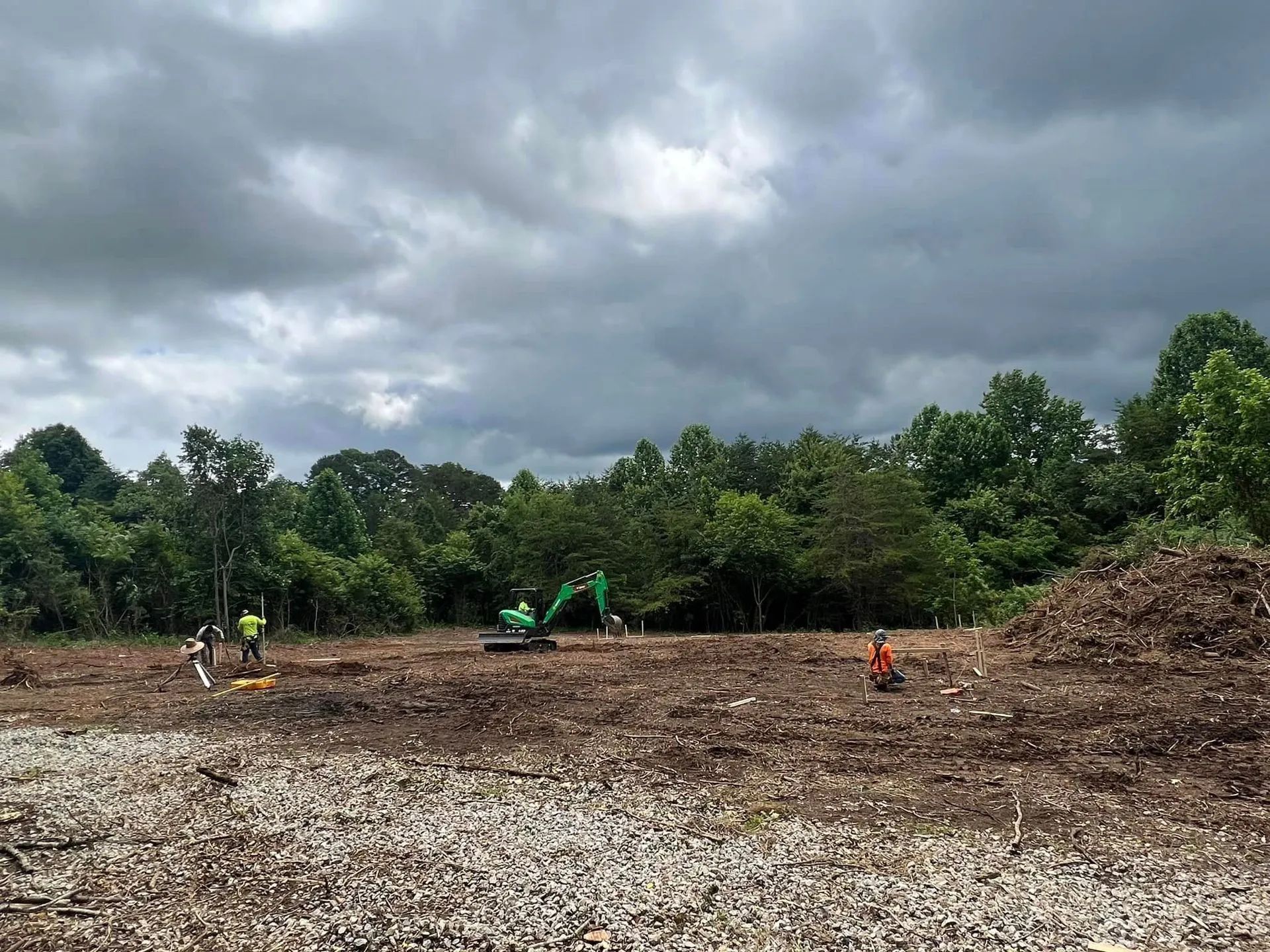
Clearing involves the removal of vegetation, debris, and existing structures that may obstruct construction, ensuring a safe and manageable site. Best practices include selective clearing to preserve mature trees when possible, reducing environmental disruption and enhancing site aesthetics while maintaining natural features. Modern equipment, such as mulchers and specialized forestry attachments, allows for highly efficient clearing operations while minimizing soil disturbance and preserving critical topsoil for future landscaping purposes.
Expert insight: Contractors often underestimate the importance of proper debris management on construction sites. Leaving organic material on-site without stabilization can contribute to soil erosion, uneven settling, and long-term foundation issues that could have been avoided.
Precision Grading for Structural Stability
Grading shapes the land to create level surfaces for building foundations, roads, and parking areas, ensuring structural stability and safety. Precision grading guarantees proper slope and drainage, preventing water pooling and potential structural damage to roads and buildings. Techniques such as laser-guided grading and GPS-controlled machinery provide high accuracy, reduce rework, and enhance long-term stability of the overall project, especially in challenging terrain.
Retaining and Erosion Control Measures
On sloped or uneven sites, retaining walls, terraces, and other support structures prevent soil movement, while erosion control blankets, silt fences, and sediment basins effectively mitigate runoff during construction activities. Incorporating these measures during early preparation reduces environmental impact, ensures regulatory compliance, and protects the site from long-term soil degradation issues.
3. Advanced Soil Stabilization Methods
Mechanical Stabilization
Compaction and reinforcement of soil are critical for supporting heavy structures and maintaining long-term site integrity. Mechanical stabilization techniques include roller compaction, dynamic compaction, and soil nailing, which strengthen weak soils and improve foundation performance. These methods enhance the soil’s load-bearing capacity, reduce settlement risk, and improve the overall longevity of foundations and pavements significantly over time.
Scenario: A commercial site with high clay content required repeated compaction tests to achieve compliance. Mechanical stabilization ensured the soil met required strength standards before foundation pouring, preventing costly future structural failures effectively.
Chemical Stabilization
In addition to mechanical methods, chemical stabilization involves adding binders such as lime, cement, or fly ash to improve soil properties and performance. This technique is particularly effective for weak, expansive, or moisture-sensitive soils, enhancing durability, preventing erosion, and minimizing potential structural issues over time.
Best Practices in Soil Stabilization
Regular testing, monitoring moisture content, and adjusting stabilization methods based on site-specific conditions are essential for project success. Combining mechanical and chemical techniques often delivers optimal results, balancing cost, efficiency, and long-term soil performance for diverse land development projects.
4. Efficient Drainage and Water Management
Site Drainage Planning
Proper drainage is a critical component of site preparation, preventing water accumulation that can compromise foundations, roads, and landscaping. Techniques include designing swales, ditches, retention ponds, and underground piping systems to direct water away from structures safely and efficiently.
Example: A residential subdivision experienced foundation flooding due to insufficient grading, causing significant property damage. Retrofitting swales and French drains resolved the issue, but proactive planning during initial site preparation would have prevented costly remediation entirely.
Stormwater Management
Modern development projects must comply with stringent stormwater regulations and local municipal standards. Implementing detention basins, permeable pavements, and rain gardens effectively reduces runoff, enhances groundwater recharge, and supports environmentally sustainable land use practices.
Erosion Prevention Techniques
Stabilizing slopes using vegetation, geotextiles, and retaining structures mitigates soil loss and sediment transport during construction. Combining strategic drainage planning with robust erosion control ensures long-term site stability, minimizes environmental impact, and maintains regulatory compliance.
5. Utility Infrastructure and Accessibility Planning
Utility Placement and Coordination
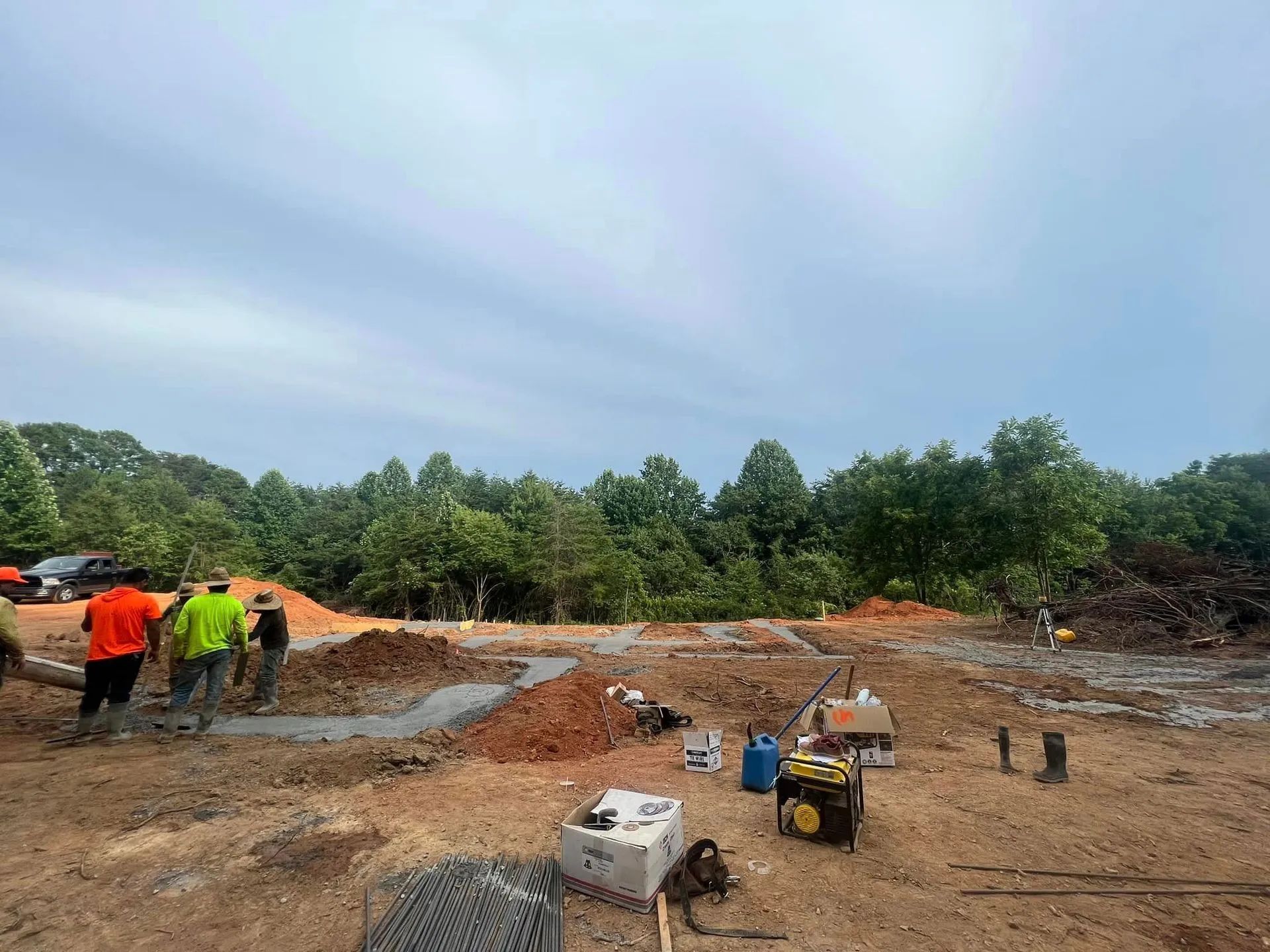
Early integration of utilities—including water, sewage, electricity, gas, and telecommunications—avoids conflicts and delays during construction. Proper trenching, conduit planning, and coordination with local authorities ensure smooth installation, reduce risks, and allow simultaneous development of multiple project components efficiently.
Access Roads and Temporary Infrastructure
Establishing temporary access roads, staging areas, and storage zones facilitates equipment movement and material delivery. Durable access routes reduce soil compaction damage, protect cleared areas, and contribute to overall efficiency in project execution while improving safety for workers and machinery.
Best Practices for Long-Term Functionality
Considering future expansion, maintenance access, and long-term serviceability ensures the development remains functional, adaptable, and sustainable. Incorporating wider utility corridors and strategically planned access routes prevents costly rework during future upgrades or infrastructure modifications.
6. Safety, Compliance, and Quality Assurance
Regulatory Compliance
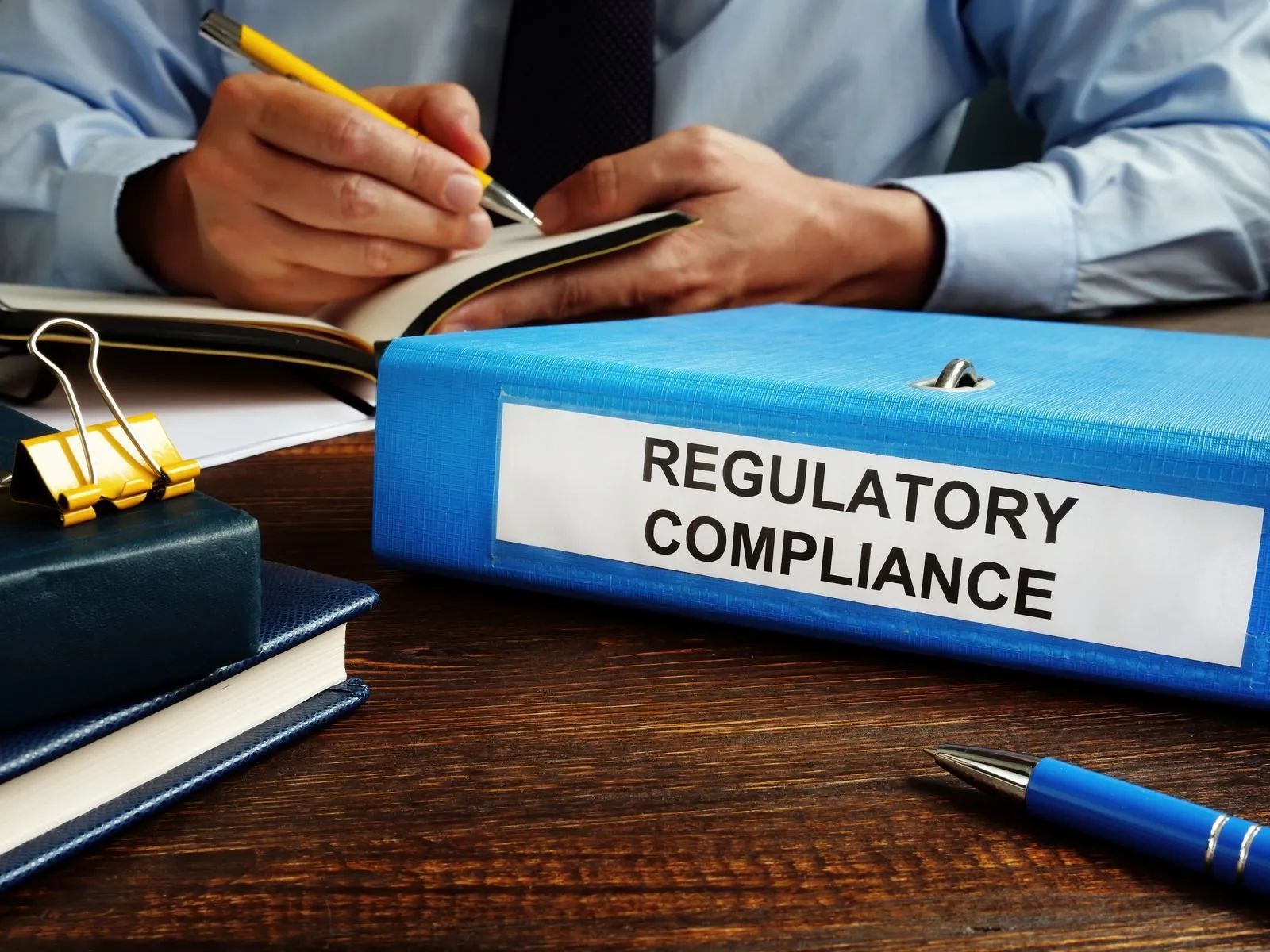
Professional site preparation must adhere strictly to zoning laws, environmental regulations, and local building codes. Maintaining compliance reduces legal risk, prevents costly project delays, and enhances trust with clients, stakeholders, and the community throughout the development lifecycle.
Safety Protocols
Implementing comprehensive safety measures such as equipment inspections, proper PPE usage, and site access controls prevents accidents and protects the workforce effectively. A safe site improves efficiency as work can proceed uninterrupted, minimizing downtime and potential liability concerns.
Quality Assurance and Monitoring
Continuous monitoring of grading, soil stabilization, drainage, and utility installation ensures strict adherence to design specifications and engineering standards. Advanced technologies such as drones, GPS mapping, and real-time reporting provide actionable data, allowing proactive corrections and maintaining high-quality project outcomes consistently.
Trusted Expertise in Land Development and Site Preparation
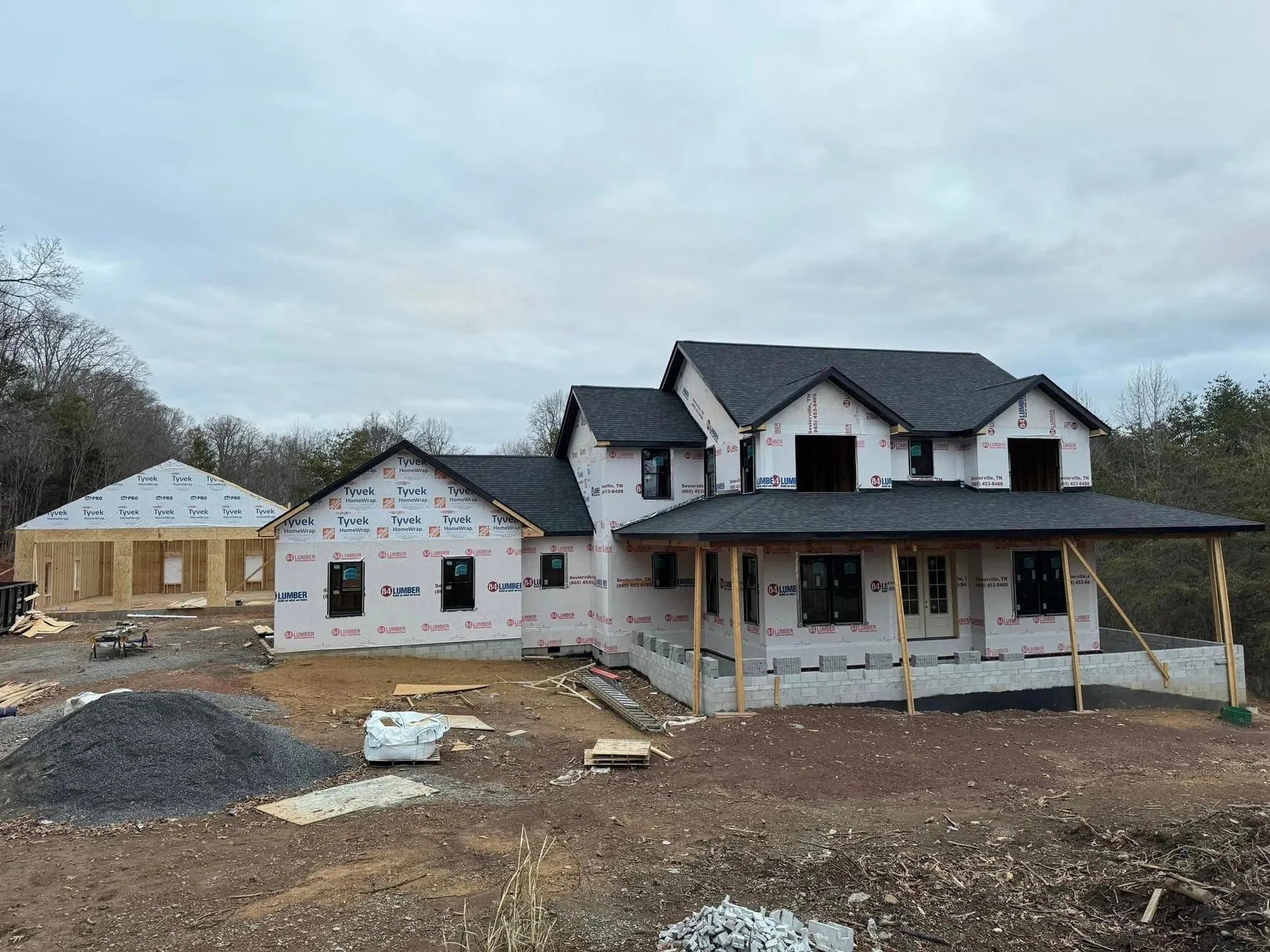
Professional site preparation is a cornerstone of successful land development. From thorough land assessment and strategic planning to advanced clearing, grading, soil stabilization, and drainage management, each step contributes to long-term structural integrity, regulatory compliance, and project efficiency. Incorporating modern techniques, adhering to best practices, and maintaining quality assurance ensures projects are completed on schedule, within budget, and with minimal environmental impact. Developers who prioritize meticulous site preparation set the stage for sustainable, resilient, and high-value developments.
Floyd's Development Group LLC, based in Seymour, Tennessee, brings over 8
years of expertise to
land development projects, delivering exceptional results through careful planning, technical proficiency, and innovative site preparation techniques. As a trusted real estate developer, the company emphasizes quality, efficiency, and compliance, ensuring each project not only meets but exceeds client expectations. By leveraging advanced technology, experienced personnel, and a deep understanding of local regulations, Floyd's Development Group LLC
consistently transforms complex land parcels into optimized, build-ready sites, solidifying its reputation as an industry authority committed to excellence and long-term value.