Effective Project Design and Planning: A Professional Approach to Development
In today’s fast-paced business environment, effective project design and planning are critical to achieving sustainable growth and long-term success. Organizations increasingly recognize that projects, whether large-scale infrastructure developments, complex technological implementations, or small internal initiatives, demand meticulous preparation before execution. A well-structured approach to project planning can make the difference between timely delivery with optimized resources and costly overruns or failed objectives that impact reputation and profitability. The process involves a combination of strategic foresight, clear objective-setting, and systematic resource allocation, all of which contribute to minimizing risk, improving operational efficiency, and enhancing organizational adaptability. Professionals in project management rely heavily on these principles to ensure that projects align with broader corporate goals while maintaining flexibility to adapt to unforeseen challenges, industry changes, and evolving client requirements.
Successful project planning does not merely focus on creating a roadmap; it emphasizes understanding the project’s scope, the precise needs of stakeholders, and potential obstacles that may arise during execution. By integrating detailed analysis, risk assessment, and resource planning, teams can anticipate bottlenecks, implement proactive solutions, and optimize overall performance across multiple phases. The relevance of effective project design extends beyond traditional industries and permeates technology, construction, healthcare, finance, and virtually every sector requiring coordinated effort, strategic insight, and robust execution. A methodical, professional approach to development not only drives operational efficiency but also fosters innovation, accountability, knowledge retention, and long-term sustainability, empowering organizations to achieve consistent, high-quality results in competitive and dynamic markets.
1. Establishing Clear Project Objectives
Understanding Project Goals
The foundation of any successful project begins with clearly defined objectives. Without a comprehensive understanding of what a project aims to achieve, teams risk misalignment, inefficiency, and wasted resources. Establishing project goals involves engaging stakeholders, analyzing organizational priorities, and considering both short-term and long-term outcomes. Goals should be specific, measurable, achievable, relevant, and time-bound (SMART), ensuring clarity for all team members.
For example, in a software development project, a clear objective could be “to launch a fully functional customer management application within six months, improving client response times by 25%.” This level of specificity enables teams to focus on concrete outcomes rather than vague intentions.
Aligning Stakeholders
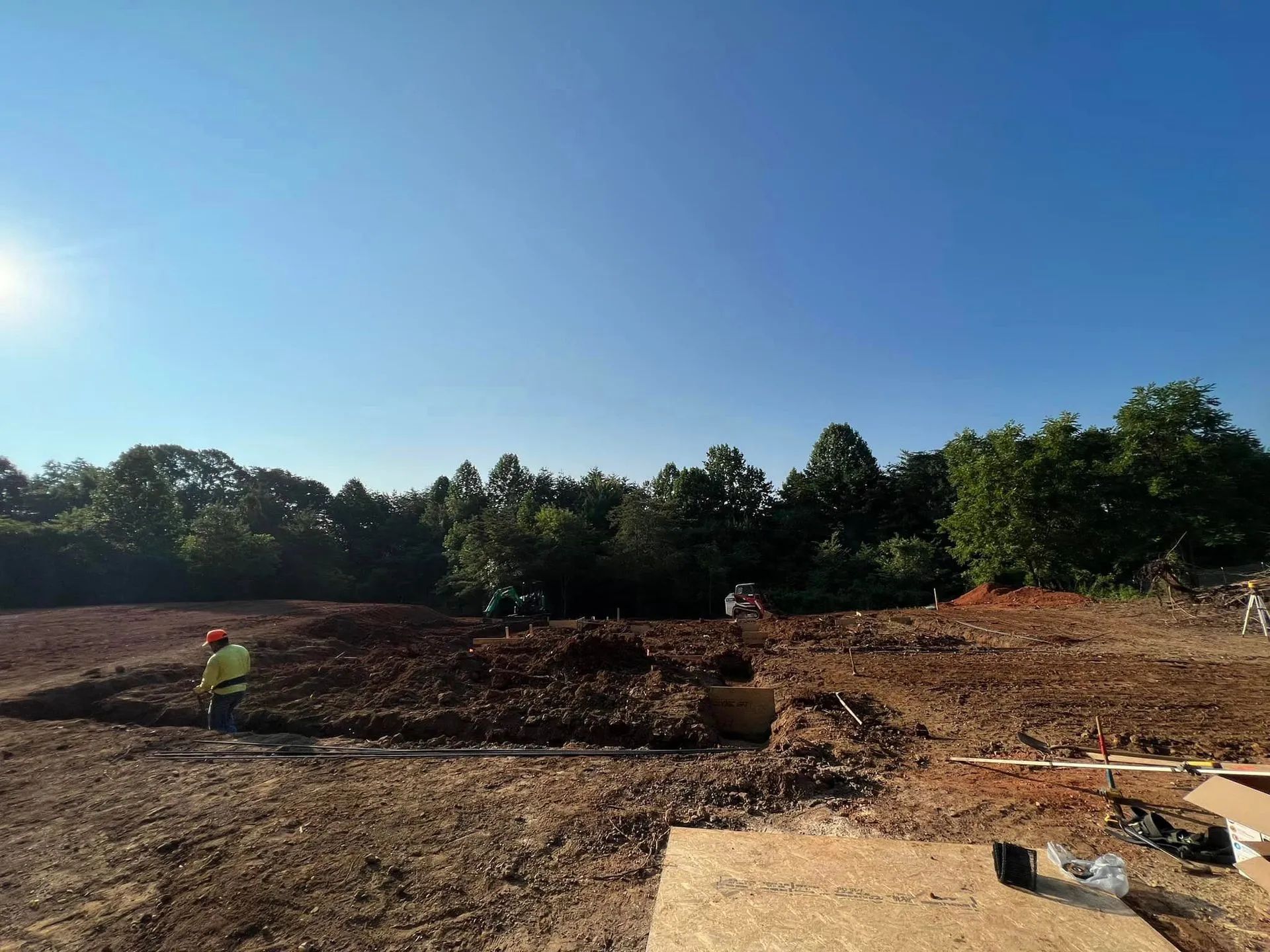
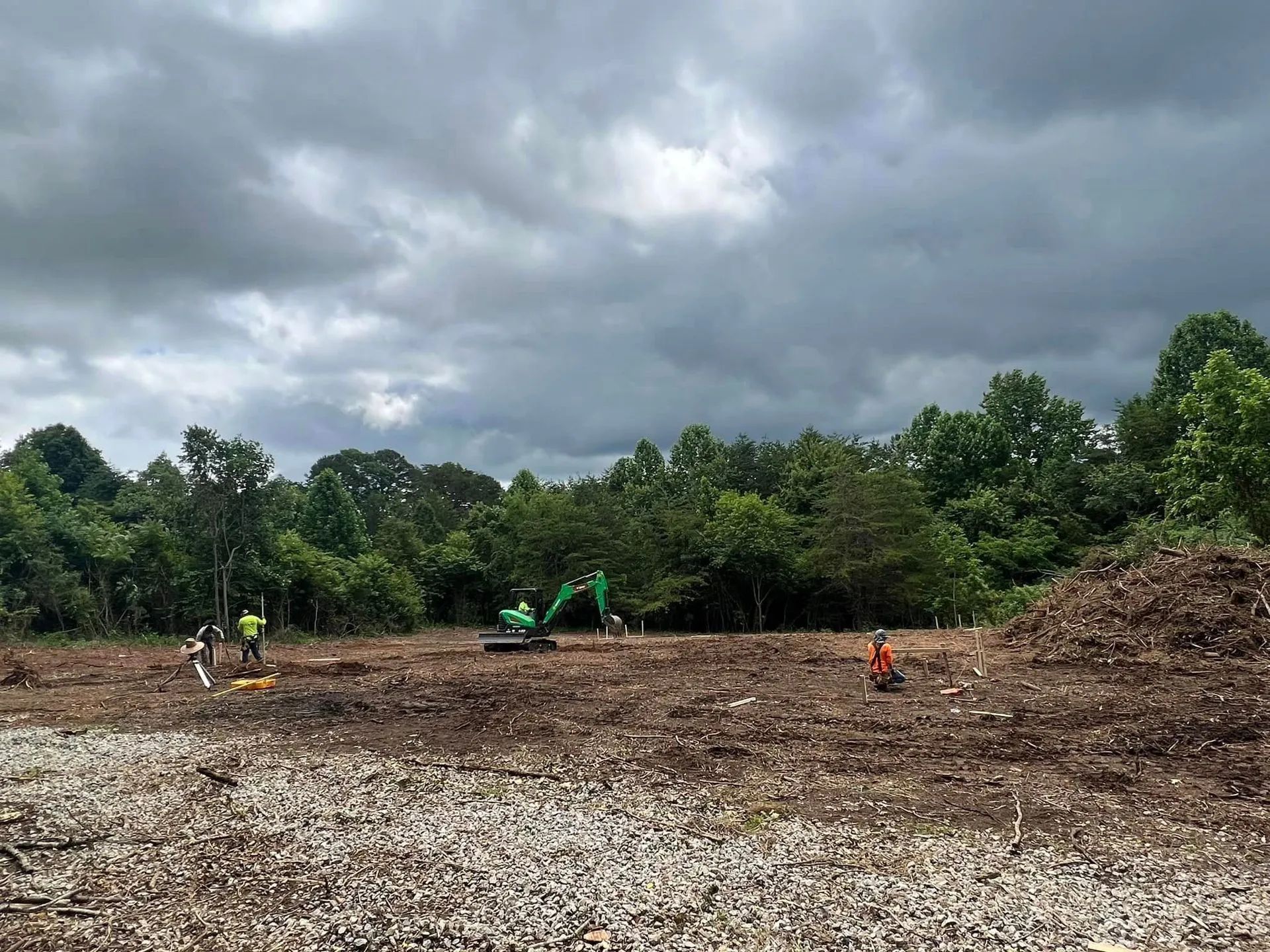
Stormwater management is key to preventing erosion, flooding, and structural impacts on your property. We assess each site’s natural drainage and design systems to channel water safely away from key areas, complying with local regulations and preserving the landscape.
2. Comprehensive Project Planning
Developing a Project Roadmap
A project roadmap serves as the blueprint for successful execution. It details key milestones, timelines, dependencies, and resource allocations. Roadmaps help teams visualize the project from initiation to completion, ensuring that each phase is accounted for and logically sequenced. By providing a structured framework, project roadmaps minimize ambiguity and guide decision-making, allowing managers to anticipate challenges before they escalate.
Resource Management
Resource planning involves allocating personnel, materials, and financial resources efficiently. Effective management ensures that the right team members are assigned to the tasks that best match their skills, while budgets are monitored to prevent overspending. Scenario planning can be particularly useful here, enabling managers to simulate different resource allocation strategies and evaluate potential outcomes before committing to a course of action.
Risk Assessment and Contingency Planning
Every project carries inherent risks, whether due to technical challenges, market fluctuations, or regulatory changes. Conducting thorough risk assessments allows teams to identify potential threats early and design contingency plans. For instance, a construction project might include alternate suppliers for critical materials to avoid delays, while a marketing campaign could outline backup strategies in the event of low engagement metrics. Proactive risk management enhances resilience and ensures smoother execution.
3. Designing Effective Workflows and Processes
Workflow Optimization
Optimized workflows are critical to maintaining efficiency and reducing bottlenecks. This involves mapping out all processes, identifying redundant tasks, and implementing automation where feasible. In industries such as manufacturing or software development, workflow diagrams help visualize task sequences and dependencies, enabling teams to streamline operations and reduce cycle times.
Process Standardization
Standardizing processes across teams promotes consistency and quality. By establishing best practices, organizations can reduce errors, improve productivity, and ensure compliance with industry standards. For example, a healthcare development project may standardize documentation procedures to meet regulatory requirements, while a technology project could implement coding standards to enhance maintainability and reduce errors.
Integrating Collaboration Tools
Modern project design increasingly relies on digital tools for collaboration, task tracking, and reporting. Platforms like project management software, cloud storage, and communication apps facilitate real-time coordination among geographically dispersed teams. Leveraging these tools ensures that updates, deadlines, and changes are effectively communicated, reducing miscommunication and improving overall project efficiency.
4. Budgeting and Financial Planning
Accurate Cost Estimation
Financial planning is a cornerstone of effective project design. Accurate cost estimation helps organizations allocate budgets realistically, avoiding resource shortfalls or overspending. Estimation should consider all aspects of the project, including personnel, equipment, materials, technology, and contingency funds for unexpected expenses. Techniques such as bottom-up estimation, analogous estimation, and parametric modeling provide reliable projections based on historical data and project specifics.
Monitoring and Controlling Costs
Budget monitoring is an ongoing process that ensures projects remain financially viable. Project managers should regularly track expenditures against planned budgets, identify variances, and implement corrective measures as needed. Financial dashboards and reporting tools provide transparency, enabling stakeholders to make informed decisions and maintain control over project costs.
Balancing Quality and Cost
A professional approach to project development emphasizes balancing quality and cost. Cutting corners to reduce expenses can jeopardize project success, while excessive spending may compromise organizational sustainability. Effective planning involves optimizing resources and implementing cost-saving strategies without compromising project outcomes, ensuring a balance between efficiency and excellence.
5. Implementation and Execution Strategies
Phased Execution
Breaking a project into manageable phases allows teams to focus on incremental achievements while maintaining alignment with overall objectives. Phased execution enables iterative assessment, allowing for adjustments based on feedback or unforeseen challenges. For example, software projects often use agile methodologies, implementing features in sprints to deliver functional results quickly and respond to changing requirements efficiently.
Performance Monitoring
Monitoring performance through key performance indicators (KPIs) ensures that projects stay on track. Metrics may include schedule adherence, budget variance, resource utilization, and quality benchmarks. Regular performance reviews facilitate early identification of issues, enabling proactive corrective actions before they escalate into significant problems.
Adaptive Project Management
Flexibility is critical during execution, as projects rarely follow the initial plan perfectly. Adaptive project management encourages responsiveness to evolving conditions, stakeholder feedback, and market changes. By maintaining agility, teams can pivot strategies, implement innovative solutions, and sustain project momentum without compromising objectives.
6. Evaluation, Feedback, and Continuous Improvement
Post-Project Evaluation
Once a project concludes, conducting a comprehensive evaluation provides insights into successes and areas for improvement. Assessing performance against objectives, budget, timeline, and quality benchmarks helps organizations understand what worked and what needs refinement. Evaluation also includes reviewing stakeholder satisfaction and team performance to gauge overall project effectiveness.
Capturing Lessons Learned
Documenting lessons learned is essential for institutional knowledge. Organizations can leverage insights from completed projects to inform future initiatives, reduce repeat errors, and enhance overall project efficiency. For instance, understanding supply chain delays in one project may influence procurement strategies for subsequent developments.
Fostering a Culture of Continuous Improvement
Continuous improvement involves integrating feedback into processes, workflows, and planning strategies. Encouraging a culture where teams actively seek optimization opportunities leads to long-term performance gains, increased efficiency, and better project outcomes. Organizations that embrace continuous learning and adaptation are better equipped to handle complex, high-stakes projects and sustain competitive advantages.
Essential Lessons From Successful Project Planning Approaches
Effective project design and planning are integral to organizational success, providing the framework necessary to transform ideas into tangible outcomes. By establishing clear objectives, developing comprehensive plans, optimizing workflows, managing budgets, executing strategically, and incorporating continuous improvement, professionals can deliver projects on time, within budget, and at the desired quality. A structured approach mitigates risk, promotes stakeholder alignment, and maximizes resource efficiency, ensuring that every project contributes meaningfully to broader business goals.
Floyd's Development Group LLC, based in Seymour, Tennessee, brings eight years of professional expertise in
project planning and development. The company is dedicated to delivering exceptional, well-structured projects that align with client objectives and industry best practices. With a proven track record, we combine strategic insight, technical proficiency, and hands-on management to ensure each project reaches its full potential. Clients benefit from a professional team committed to transparency, accountability, and precision, guaranteeing outcomes that meet or exceed expectations. Whether handling complex commercial developments or smaller-scale initiatives, Floyd's Development Group LLC
remains a trusted authority, emphasizing professionalism, efficiency, and tailored solutions. By choosing this firm, organizations gain a partner capable of translating innovative concepts into successful, practical results, reflecting the company’s unwavering commitment to excellence in project design and planning.